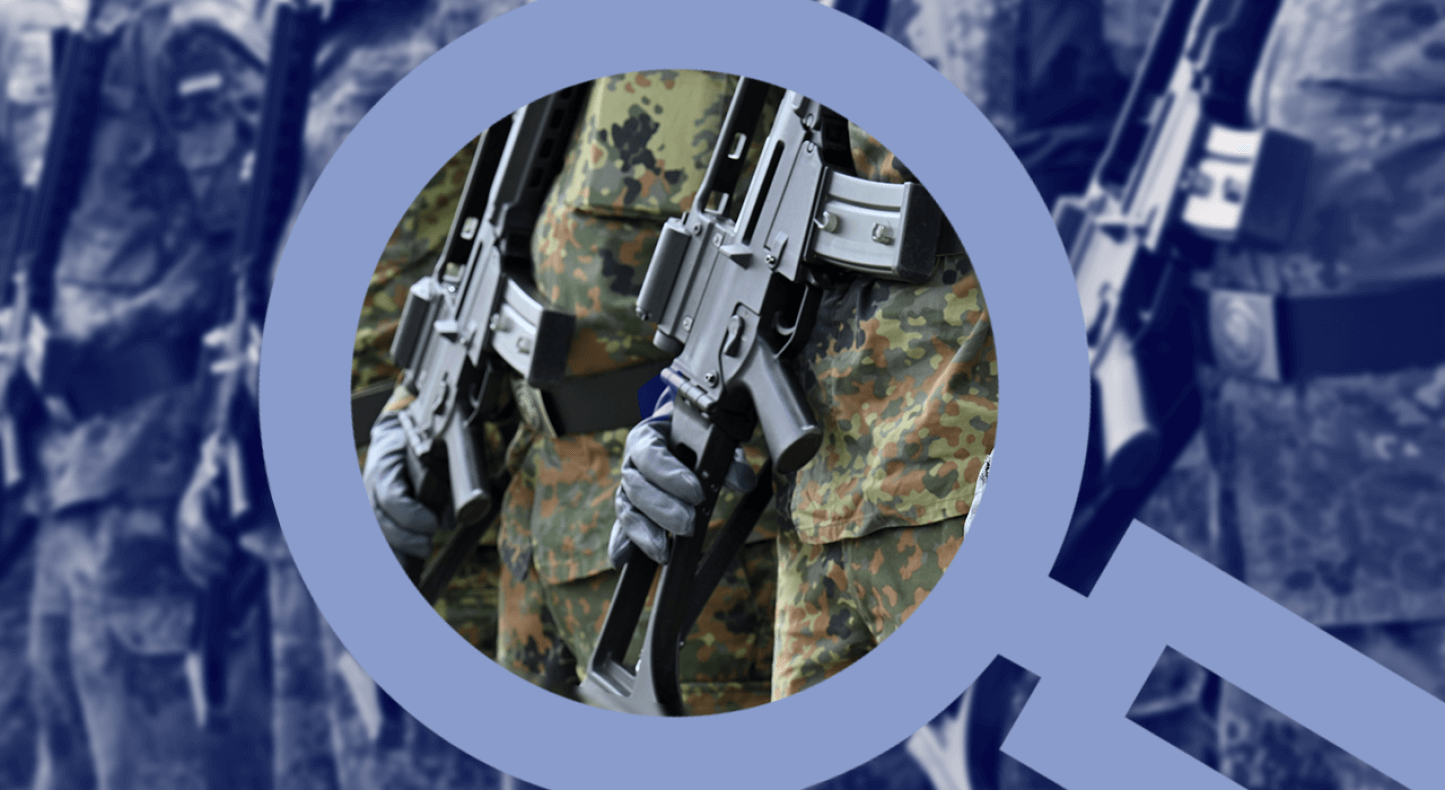
Germany's ambitious plan to revitalize its armed forces, encapsulated by the creation of the 100 billion Euro "Bundeswehr Sondervermögen" (special fund), faces a significant hurdle. While widely seen as a crucial response to geopolitical shifts, the fund is now under intense scrutiny, with the Federal Court of Audit (Rechnungshof) issuing stern warnings about potential inefficiency and waste. This critical assessment highlights a profound Sondervermögen Kritik that challenges the very premise of rapid defense modernization without fundamental systemic reforms.
The Bundeswehr's Sondervermögen: Aims and Origins
In the wake of shifting geopolitical landscapes, Chancellor Olaf Scholz’s "Zeitenwende" (turning point) speech on February 27, 2022, signaled a profound recalibration of Germany's defense posture. Central to this paradigm shift was the announcement of a 100 billion Euro special fund, the Bundeswehr Sondervermögen, dedicated to modernizing the German armed forces. This financial injection was designed to enable Germany to meet its NATO commitment of spending at least two percent of its Gross Domestic Product (GDP) on defense, a goal that had long remained elusive.
However, the origins of this monumental fund precede the immediate events that thrust it into the spotlight. Intriguingly, the concept of a substantial special fund for the Bundeswehr appears to have been developed months before the Russian invasion of Ukraine. Reports indicate that as early as October 2021, the Ministry of Defense (BMVg) circulated an internal document outlining a 102 billion Euro "Sondervermögen Bundeswehr," complete with a list of specific projects intended for financing. While attempts to make this document public through freedom of information requests were denied, its existence underscores that the idea was not a hasty reaction but a long-considered strategic initiative.
To facilitate the creation of this fund and ensure its significant capital could be utilized without immediately impacting the national budget under normal circumstances, a constitutional amendment was necessary. This amendment effectively allowed Germany to bypass its constitutional debt brake for this specific purpose, a move that generated considerable political debate and public discussion. For a deeper dive into this contentious aspect, explore Germany's 100 Billion Defense Fund: Debt Brake Bypass Controversy.
Rechnungshof's Scathing Assessment: Warnings of Inefficiency
Despite the strategic imperative behind the Sondervermögen, its implementation plan has quickly drawn severe criticism, most notably from the Federal Court of Audit (Rechnungshof). This independent oversight body has delivered a stark warning, characterizing the fund's current economic plan as deeply flawed and raising alarms about the potential for "billions being wasted," "projects out of control," and "sloppiness as routine." The core of the Rechnungshof's concern revolves around the long-standing and well-documented inefficiencies within the Bundeswehr's procurement apparatus.
The auditors argue that the existing system has struggled immensely with managing even current defense budgets, often failing to deliver crucial equipment on time, on budget, and to the required specifications. Injecting a massive 100 billion Euro into such a system without fundamental reforms, they contend, is akin to pouring money into a leaky bucket. The economic plan, which outlines how the special fund is to be spent, contains so many deficiencies that the Rechnungshof demanded a thorough overhaul before the final approval of the 2023 federal budget.
There's also a significant underlying suspicion that the Ministry of Defense (BMVg) might be less concerned with addressing these systemic issues and more focused on securing as much funding as possible for itself and the domestic arms industry. Critics suggest this approach risks perpetuating a cycle of inefficient spending, diverting vast sums into an apparatus that demonstrably struggles to deliver value for money. This serious allegation of potential mismanagement and self-serving motives from the BMVg only adds to the gravity of the Sondervermögen Kritik. The central question remains whether the BMVg will genuinely commit to implementing the necessary structural changes or merely push for more funds to be absorbed by an unreformed system.
Anatomy of the Procurement Crisis: Why the Funds are at Risk
The Bundeswehr's procurement challenges are not a new phenomenon; they are deeply rooted in a complex interplay of bureaucratic inertia, intricate decision-making processes, and a history of over-ambitious projects. The current procurement system is often characterized by:
- Excessive Bureaucracy: Multiple layers of approval, extensive documentation requirements, and a risk-averse culture can significantly delay essential purchases, sometimes by years. This often means equipment is outdated before it even enters service.
- Lack of Transparency: The opacity surrounding defense contracts and project timelines makes it difficult for external bodies, and even internal stakeholders, to track progress and identify bottlenecks effectively.
- Budgetary Fluctuations: While the Sondervermögen aims to provide long-term stability, historical defense budgets have often seen unpredictable shifts, leading to stop-start projects that incur greater costs over time.
- Complex Requirements: The Bundeswehr, like many modern militaries, demands highly specialized and sophisticated equipment. However, the process of defining, contracting, and integrating these systems often becomes convoluted, leading to scope creep and cost overruns.
The Rechnungshof's warning against "projects out of control" and "sloppiness as routine" underscores these systemic vulnerabilities. These issues are exacerbated by the unique nature of defense spending under NATO criteria. These criteria allow for the inclusion of a broader range of "hidden costs" that might not typically feature in the official defense budget. While designed to provide a comprehensive picture of defense contributions, this broader definition could inadvertently provide avenues for less transparent spending if not rigorously managed, potentially masking underlying inefficiencies rather than revealing them.
Successfully modernizing the Bundeswehr requires not just financial input but a fundamental transformation of how equipment is planned, purchased, and integrated. Without a clear commitment to streamlining processes, enhancing accountability, and fostering a culture of efficiency, the vast sums from the Sondervermögen risk being absorbed by the very systemic issues they are meant to overcome.
Towards Accountability: Navigating the Path to Reform
The Rechnungshof's critique serves as a vital call to action. To prevent the Bundeswehr Sondervermögen from becoming a textbook example of wasted taxpayer money, profound reforms are indispensable. The path to accountability and efficiency involves several critical components:
- Streamlining Procurement Processes: Simplifying the approval chain, reducing bureaucratic hurdles, and adopting more agile procurement methods can significantly speed up delivery and reduce costs. This might involve setting up specialized project teams with clear mandates and direct lines of accountability.
- Enhanced Transparency and Oversight: Implementing robust reporting mechanisms, conducting regular independent audits beyond the Rechnungshof's scope, and making project progress publicly accessible (where security permits) can foster greater trust and accountability. Performance metrics should be clearly defined and regularly assessed.
- Independent Expert Input: Leveraging external expertise from the private sector or international defense procurement agencies can introduce fresh perspectives and best practices to identify and rectify inefficiencies.
- Strengthening Project Management: Investing in training for procurement staff, ensuring experienced project managers lead key initiatives, and establishing clear consequence management for failures are crucial steps.
- Political Will and Leadership: Ultimately, the success of these reforms hinges on sustained political will within the BMVg and the broader government to challenge entrenched practices and drive through necessary, albeit often difficult, changes.
The balancing act is delicate: Germany needs to rearm and modernize its forces swiftly to meet new security challenges, but this urgency must not come at the cost of fiscal responsibility. The 100 billion Euro special fund offers an unprecedented opportunity to rectify decades of underinvestment and neglect. However, without a resolute commitment to systemic reform and stringent oversight, the risk of "billions being wasted" remains a palpable threat, undermining both the Bundeswehr's operational capabilities and public confidence.
The Bundeswehr Sondervermögen represents Germany's emphatic commitment to bolstering its defense capabilities, a necessary step in a rapidly changing world. Yet, the Federal Court of Audit's warnings cast a long shadow over this monumental endeavor. The severe Sondervermögen Kritik highlights an urgent need to address deep-seated inefficiencies within the Bundeswehr's procurement system. Without fundamental structural reforms, enhanced transparency, and rigorous oversight, the ambitious goal of a modernized, effective Bundeswehr risks being severely undermined by uncontrolled spending and wasted resources, ultimately failing to deliver on the promise of the "Zeitenwende."